


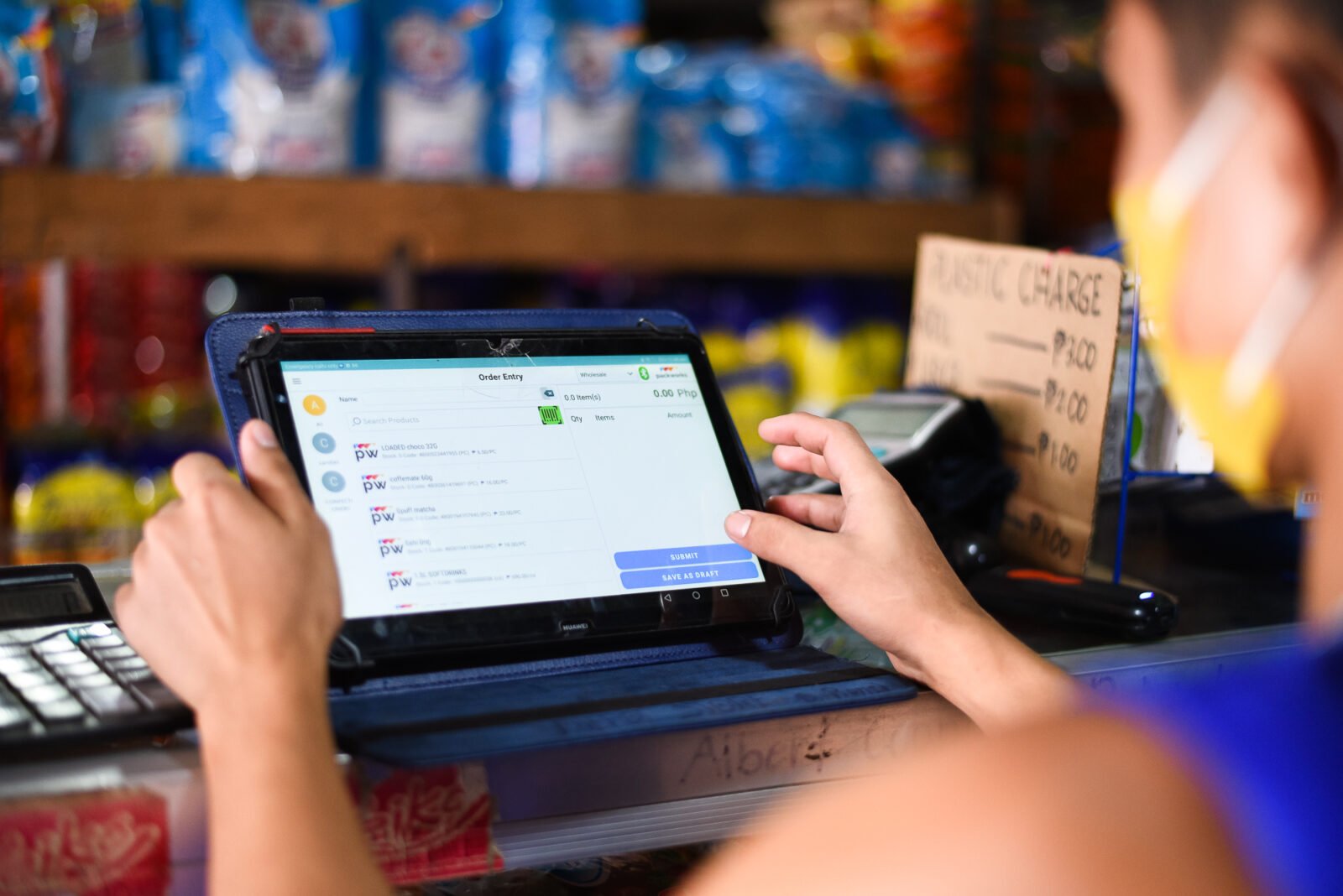
Growth in the Philippine micro-retail sector is seeing a significant shift toward the provinces, with regional hubs now outpacing Metro Manila in store expansion and transaction activity.
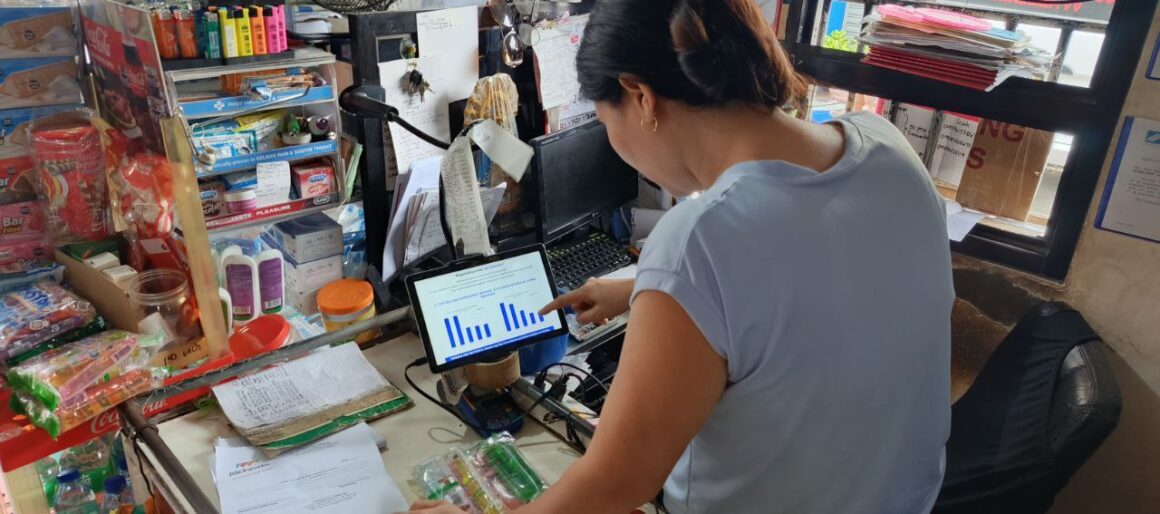
This is the latest insight from Packworks after analyzing more than 1 million monthly transactions over one year from its mobile application across a network of more than 300,000 stores nationwide.
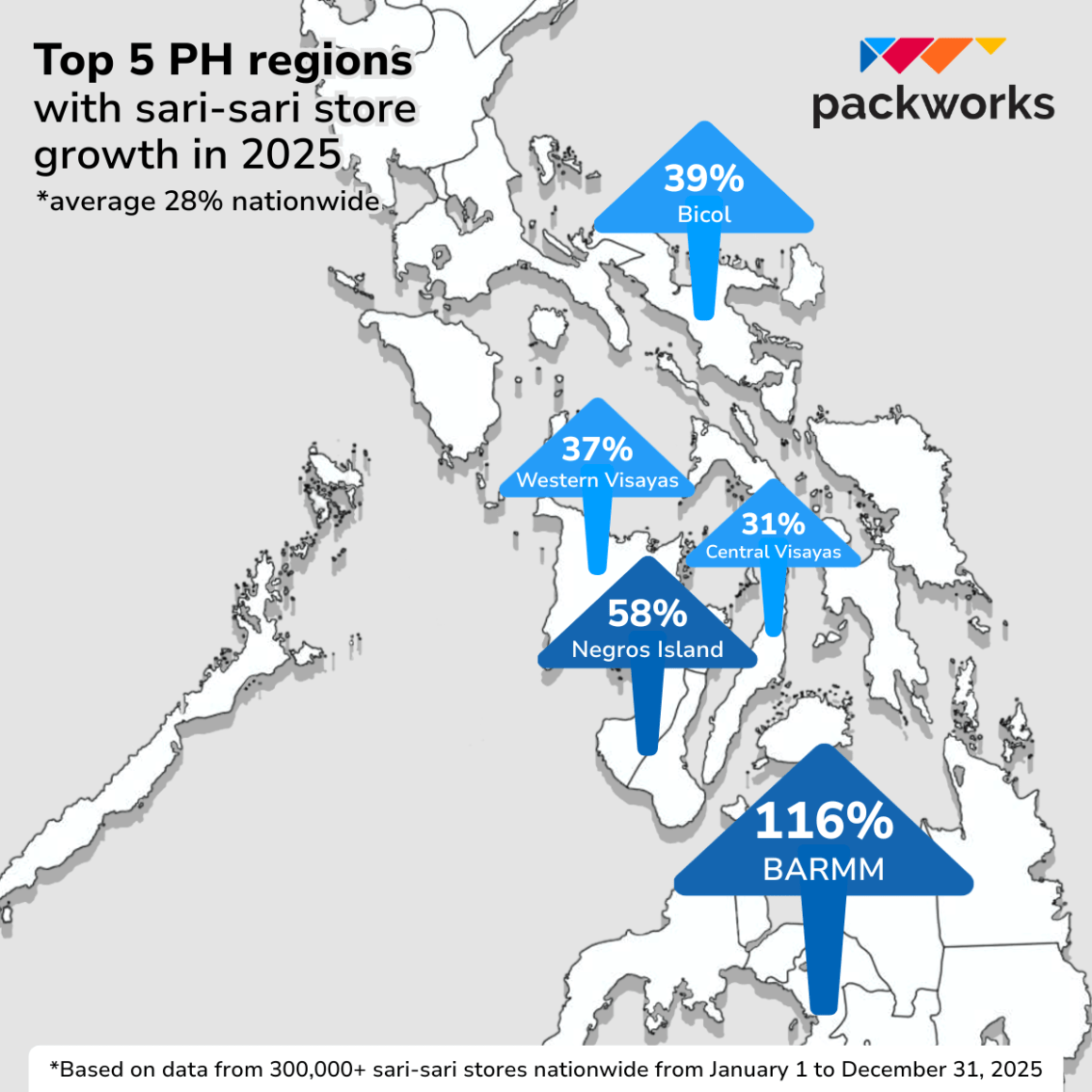
The company reported that 213,051 stores from its network actively transacted through its app in 2025, marking a 21% increase from 176,000 in 2024 and a notable jump from 133,000 in 2023.
This steady rise reinforces the trend of regional sari-sari store growth, with provincial markets increasingly becoming drivers of retail activity outside Metro Manila.
BARMM and Negros Lead Provincial Expansion
The study identified the Bangsamoro Autonomous Region in Muslim Mindanao (BARMM) and the Negros Island Region as the strongest contributors to this nationwide growth surge.
BARMM posted a remarkable 116% increase in active stores.
This coincided with:
- 77% rise in app usage
- 119% increase in Gross Merchandise Value (GMV)
- 97% growth in transactions
Growth accelerated further in the second half of 2025, following the rollout of regional internet connectivity projects.
Meanwhile, Negros recorded a 58% increase in active stores, with app usage up 106%, while GMV and transactions surged by 134% and 114%, respectively.
According to Andoy Montiel, Chief Data Officer of Packworks:
“We are seeing a trend where regional economies are becoming the new centers of growth for the sari-sari store sector.”
Metro Manila Shows Efficiency Gains
While provincial growth led the expansion, the Metro Manila market remained a stable core.
The data revealed a quality-over-quantity trend in NCR.
Although the total number of transacting stores saw a slight decline, the remaining stores became significantly more efficient.
Key NCR figures include:
- 15% increase in app usage
- 31% growth in GMV
- 37% rise in transactions
This suggests stronger operational performance among active sari-sari stores in the capital.
Regional Resilience After Disasters
The study also highlights how regional sari-sari store growth translates into community resilience.
Central Visayas demonstrated strong recovery after the 6.9-magnitude earthquake on September 30, 2025.
Overall GMV rose:
- from nearly ₱131 million in September
- to almost ₱140 million in October
- peaking at ₱158 million in December
Meanwhile, despite being hit by Typhoon Paolo in October 2025, stores in Central Luzon posted a 15% GMV increase, rising from ₱150 million in September to ₱172 million in October and reaching ₱199 million by December.
This reinforces the role of sari-sari stores as essential community lifelines, especially in disaster-prone regions.
Areas That Need More Support
The study also pointed to opportunities for further development.
Caraga (Region XIII) saw an 11% increase in the number of stores, but a 15% decline in app usage.
This may be linked to internet penetration challenges in the region, indicating potential infrastructure and digital support needs.
Packworks co-founder Hubert Yap noted:
“As store owners in the provinces gain access to more resources, they are proving to be the economic backbone of their communities.”
The Future of Micro-Retail Is Regional
The findings strongly suggest that the next wave of micro-retail growth is happening outside the capital.
As digital tools, connectivity, and community demand continue to improve, regional sari-sari store growth is becoming a major indicator of local economic momentum across the Philippines.
For more insights, visit: http://packworks.io/
