


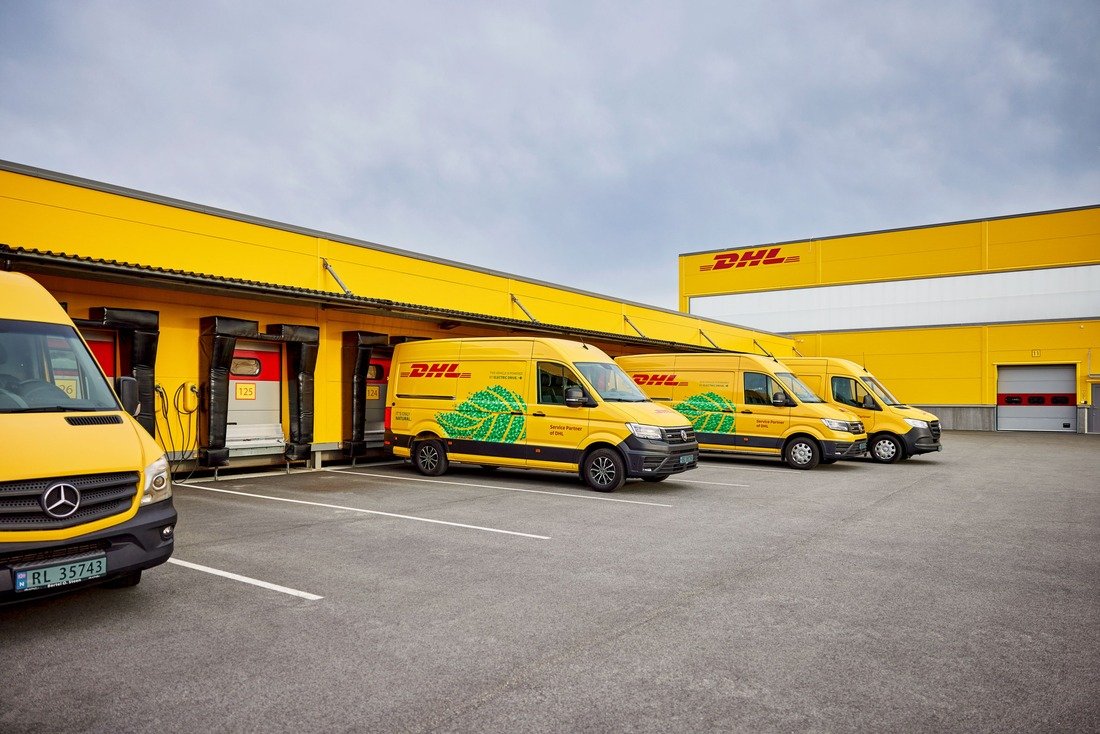
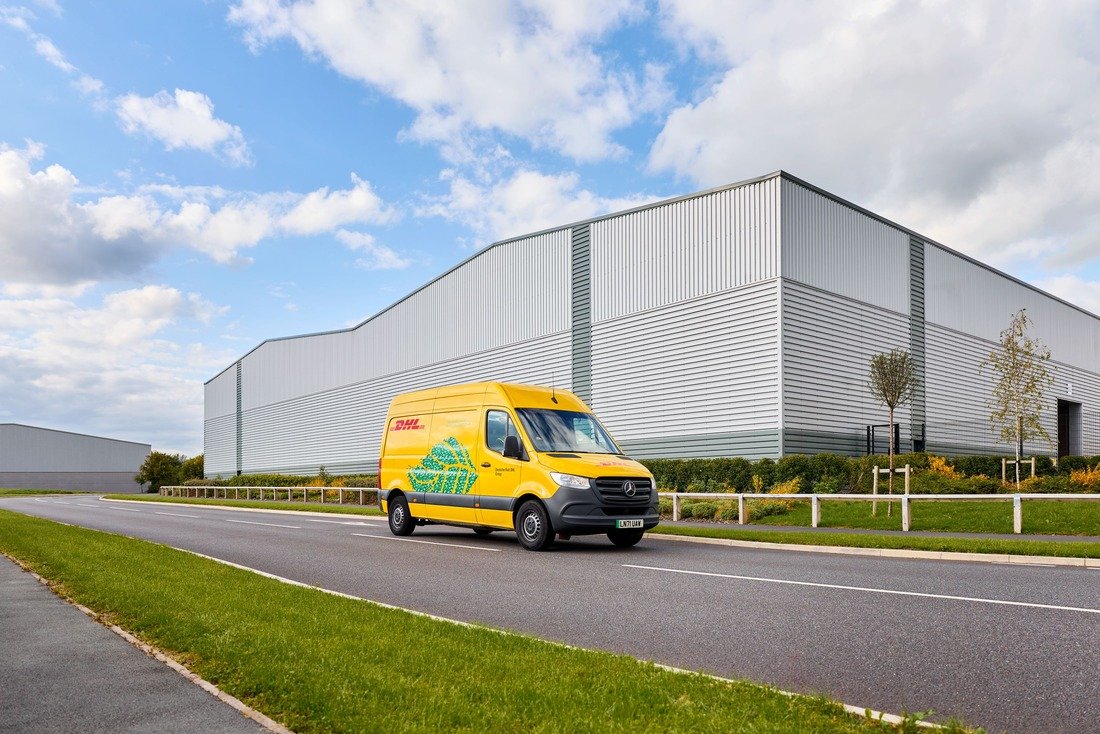
DHL Express Philippines continues to accelerate its sustainability efforts with the deployment of eight additional electric vehicles (EVs), with two more units scheduled for rollout in the first quarter of 2026. This expansion forms part of the company’s annual fleet electrification program, reinforcing its commitment to reducing greenhouse gas emissions while maintaining reliable express services.
As delivery demand rises across major urban centers, logistics providers face growing pressure to balance speed with sustainability. In response, DHL Express Philippines is steadily transitioning its delivery fleet to electric mobility. The company prioritizes routes where EV integration can maximize both environmental and operational impact.
Expanding Electric Mobility Across Key Cities
The newly deployed electric vehicles will operate across Pasig, Makati, Bonifacio Global City, Muntinlupa, Manila, Pasay, Parañaque, and Cebu. These areas represent high-density commercial and residential hubs, making them ideal for efficient last-mile electrification.
With this latest rollout, electric vehicles now represent 41% of DHL Express Philippines’ total delivery fleet. As a result, the company moves closer to DHL Group’s long-term ambition of achieving net-zero greenhouse gas emissions by 2050. This milestone reflects a measured and data-driven approach to fleet decarbonization.
“Logistics that works for people and the planet is the standard we hold ourselves to,” said Nigel Lockett, Managing Director of DHL Express Philippines. “By expanding our electric vehicle fleet in the country’s most active delivery zones, we are supporting emission reductions where our couriers and customers interact every day.”
Each newly deployed EV is purpose-built for urban last-mile operations. The vehicles offer a cargo capacity of 5.1 cubic meters and are powered by a 307.2-volt Lithium Iron Phosphate battery. They can be fully charged in approximately five hours using a DC fast charger, allowing efficient turnaround within DHL’s network.
Built for Urban Last-Mile Operations
Moreover, the vehicles are designed for frequent stops and predictable route patterns. This makes them particularly well-suited for dense metropolitan environments. Beyond environmental benefits, EVs also deliver operational advantages. They require less maintenance, reduce fuel costs, and operate more quietly compared to conventional vehicles. Consequently, couriers experience improved working conditions, while urban noise levels decrease.
In addition, the new EVs feature advanced telematics integration. This system enables real-time monitoring of vehicle location, battery health, energy consumption, and driving behavior. These insights support smarter route planning and proactive maintenance. Ultimately, this ensures consistent service performance while maximizing the efficiency of electric mobility.
DHL Express Philippines views sustainability as a long-term operational commitment rather than a one-time initiative. Through continuous evaluation of fleet performance and infrastructure readiness, the company identifies opportunities to expand electric mobility across its network.
By steadily increasing the share of electric vehicles in its operations, DHL Express Philippines supports the decarbonization of last-mile logistics. At the same time, it continues to deliver dependable international express services to customers nationwide.
