


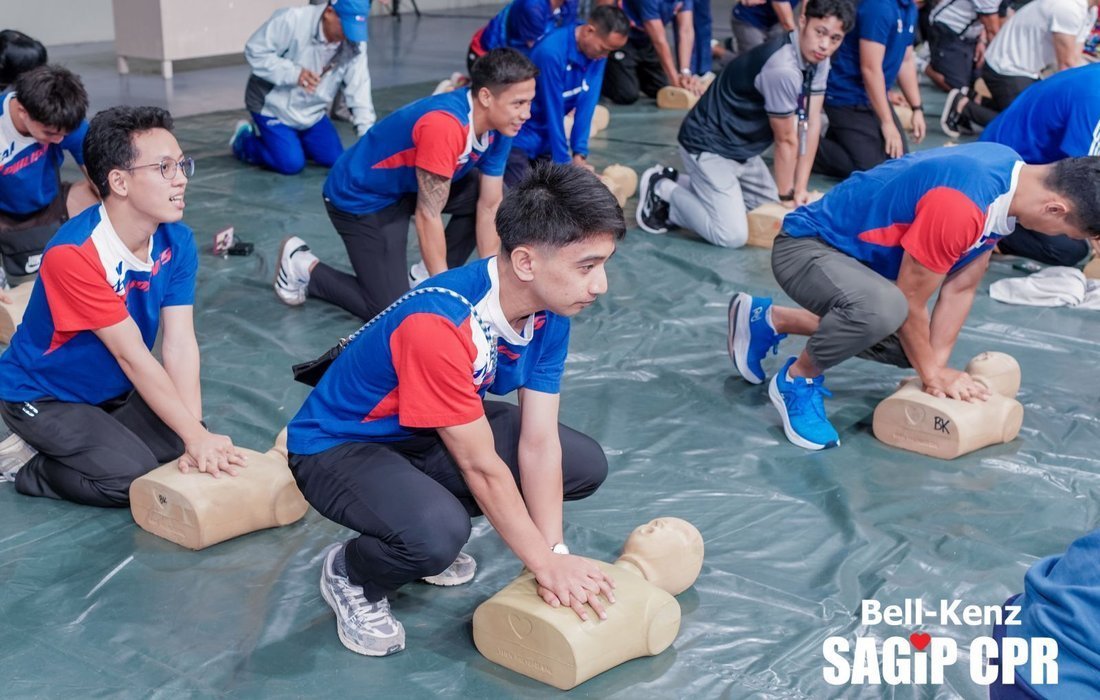
Sagip CPR is taking life-saving training straight to the Philippine sports community. Bell-Kenz Pharma and the Philippine Sports Commission (PSC) are joining forces to equip 2,000 national athletes, para-athletes, coaches and other members of the sports community with Hands-Only CPR and drowning-response skills.
Why this initiative matters
The program draws inspiration from basketball legend Samboy Lim, whose cardiac arrest during a 2014 exhibition game showed how vital immediate response is. That experience helped lead to Republic Act No. 10871, the Basic Life Support Training in Schools Act, also known as the Samboy Lim Law.
Who is behind the training
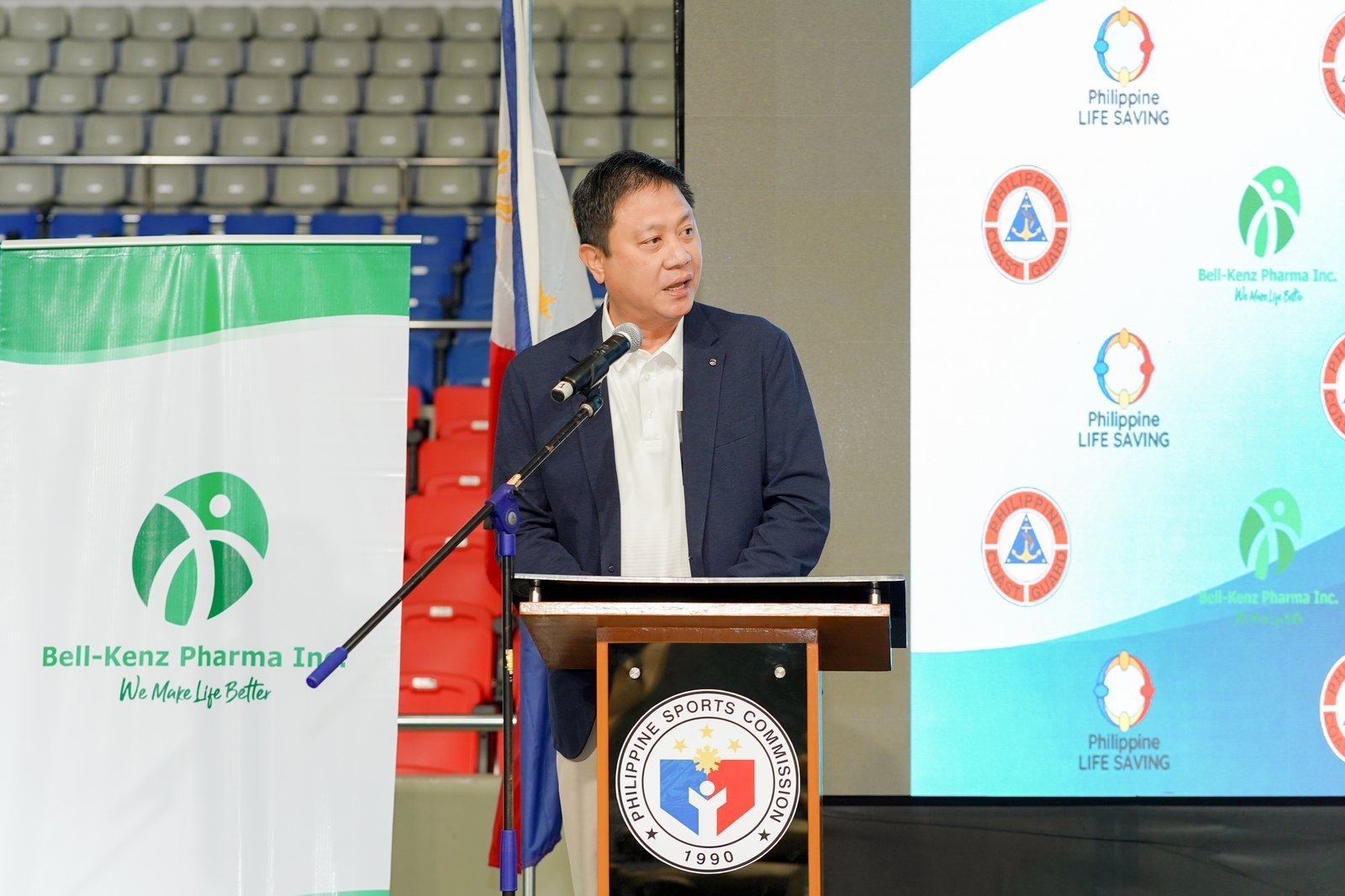
Building on that law, Bell-Kenz worked with the PSC, the Department of Health, the National Youth Commission, Philippine Life Saving and the Philippine Coast Guard. They held Hands-Only CPR and drowning-response training at the Ninoy Aquino Stadium. PSC Chairman Patrick Gregorio opened the program, and he tied water-sports growth to this kind of readiness.
What leaders said
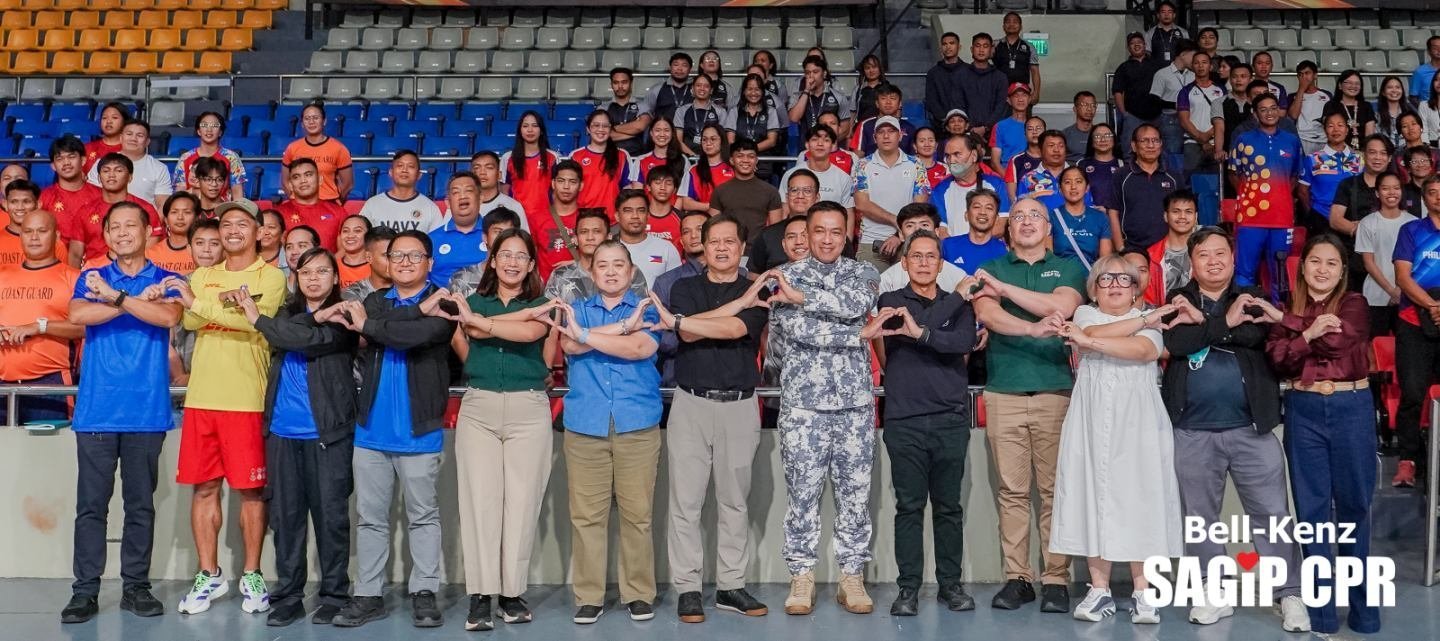
Patrick Larraga of Bell-Kenz said there is no greater victory than saving a life. PSC Commissioner Walter Francis Torres said the goal is to empower the sports community to act as first responders. Additionally, Dr. Alexis Dimapilis of the DOH said the department wants at least one member of every family oriented in CPR.
Skills that also create livelihoods
The drowning module tests athletes on prevention and proper response. Philippine Life Saving noted that such training opens livelihood paths, as seen in Panglao, Bohol, where former fishermen learned aquatic rescue and now work as scuba divers. Danilo Salonga Jr. said the group is committed to producing 75,000 lifesavers. Learn more at Bell-Kenz.
About Bell-Kenz Pharma
Bell-Kenz Pharma is a Filipino-owned pharmaceutical company dedicated to supporting the health and well-being of Filipinos through affordable, quality healthcare and community-centered initiatives. Sagip CPR is its flagship advocacy, and its partnership with the PSC extends that mission to athletes, para-athletes and coaches. Furthermore, the initiative shows how government and private partners can share the work of protecting lives, whether in stadiums, training facilities or other public spaces.
