


For decades, investing in yourself followed a familiar formula. People pursued higher education to advance careers, exercised to improve health, and developed skills to grow professionally. Over time, mental health, emotional resilience, and work-life balance also entered the conversation. Now, according to Dr. James Co, founder of Cosma Institute and the Architect of Aesthetic Confidence, another form of self-investment is quietly joining that list: confidence.
What Is the Confidence Economy?
Unlike education or professional experience, confidence is rarely viewed as something people intentionally develop. Yet it shapes everyday decisions — from speaking up in a meeting and applying for a promotion to starting a business or reconnecting with old friends. Although difficult to measure, confidence often determines how fully people participate in their own lives.
After years of treating patients and training aesthetic practitioners across Southeast Asia and Europe, Co has observed this shift from an unexpected place: the consultation room.

“When I first started practicing, many patients came into the clinic wanting to look like someone else,” Co said. “Today, those conversations are very different. Patients are no longer asking how to copy another person’s face. They’re asking how they can feel more like themselves again.”
For Co, this emerging mindset is what he calls the Confidence Economy — a framework that explains why confidence has become one of today’s most valuable forms of self-investment.
“The phrase isn’t about beauty or aesthetics,” he explained. “It’s about understanding why people invest in themselves. At the heart of many of those decisions is the desire to become more confident — not because they want to become someone else, but because they want to become more comfortable being themselves.”
The Psychology Behind Confidence
Decades of psychological research support the connection between self-perception and confidence. Psychologist Daryl Bem’s Self-Perception Theory suggests people develop beliefs about themselves through their own actions and experiences. Later studies on Enclothed Cognition found that self-perception directly influences behavior and psychological well-being. Furthermore, research examining aesthetic medicine has reported improvements in patient-reported self-esteem, body image, and quality of life following appropriately selected treatments.
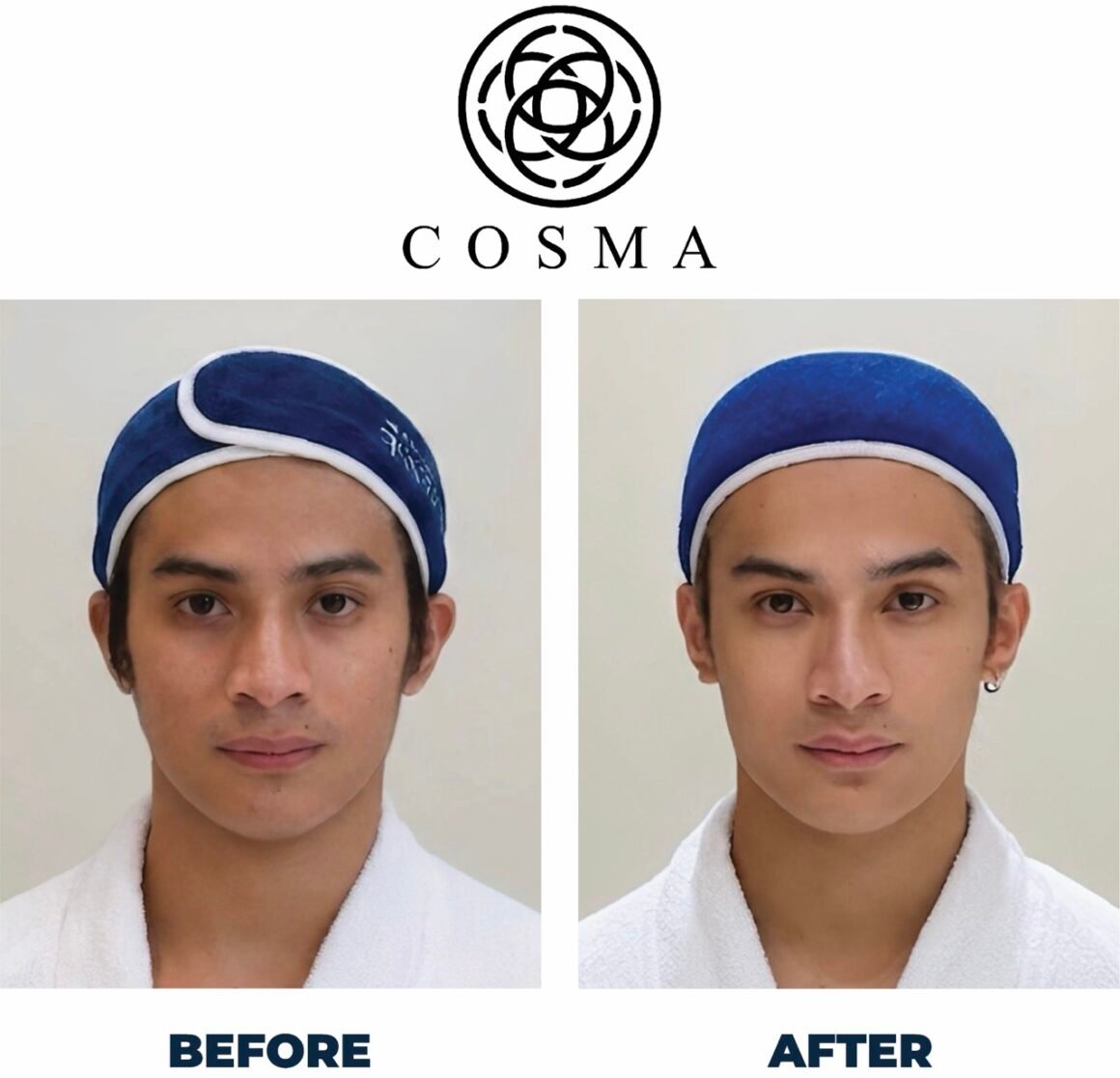
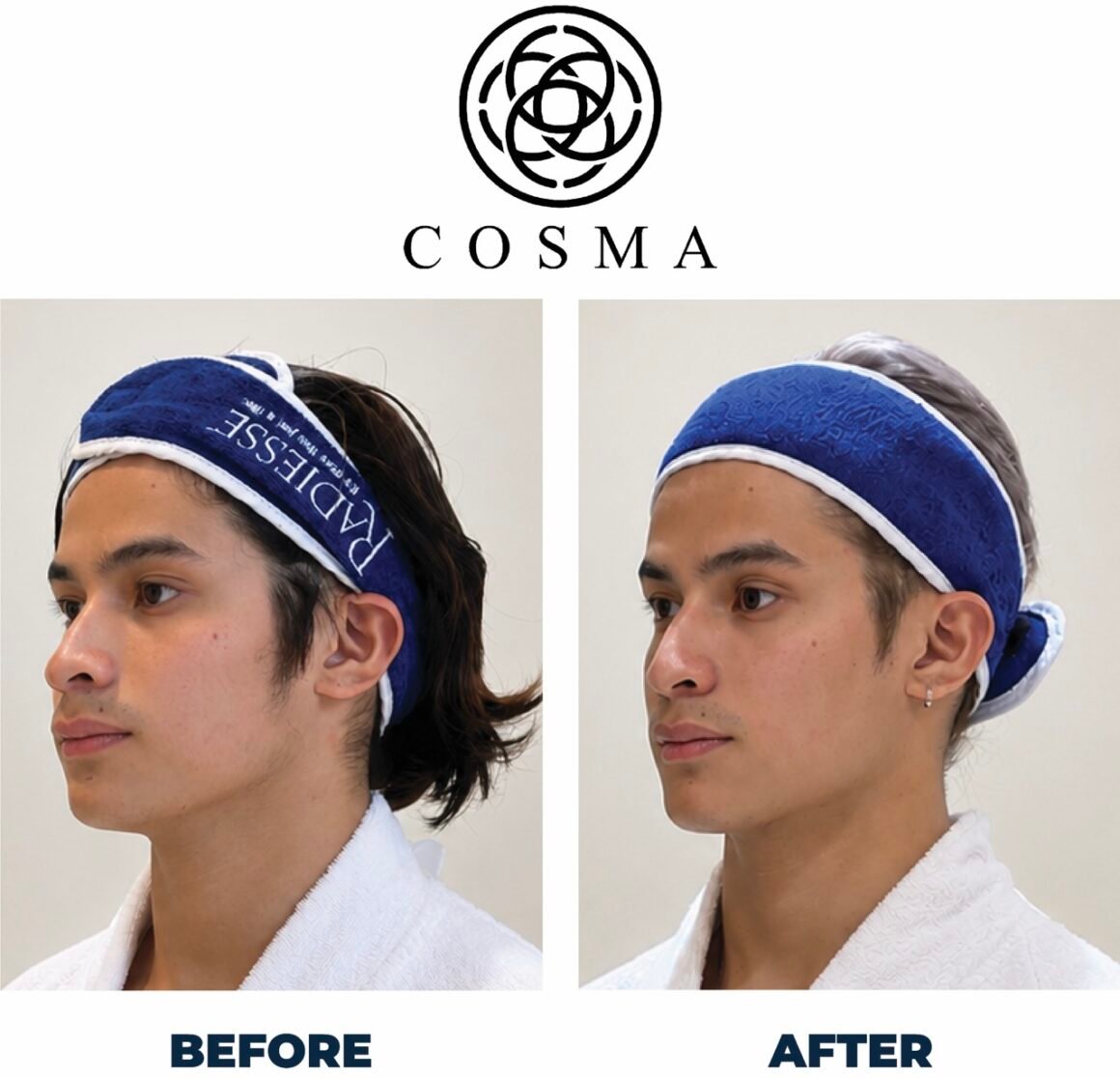
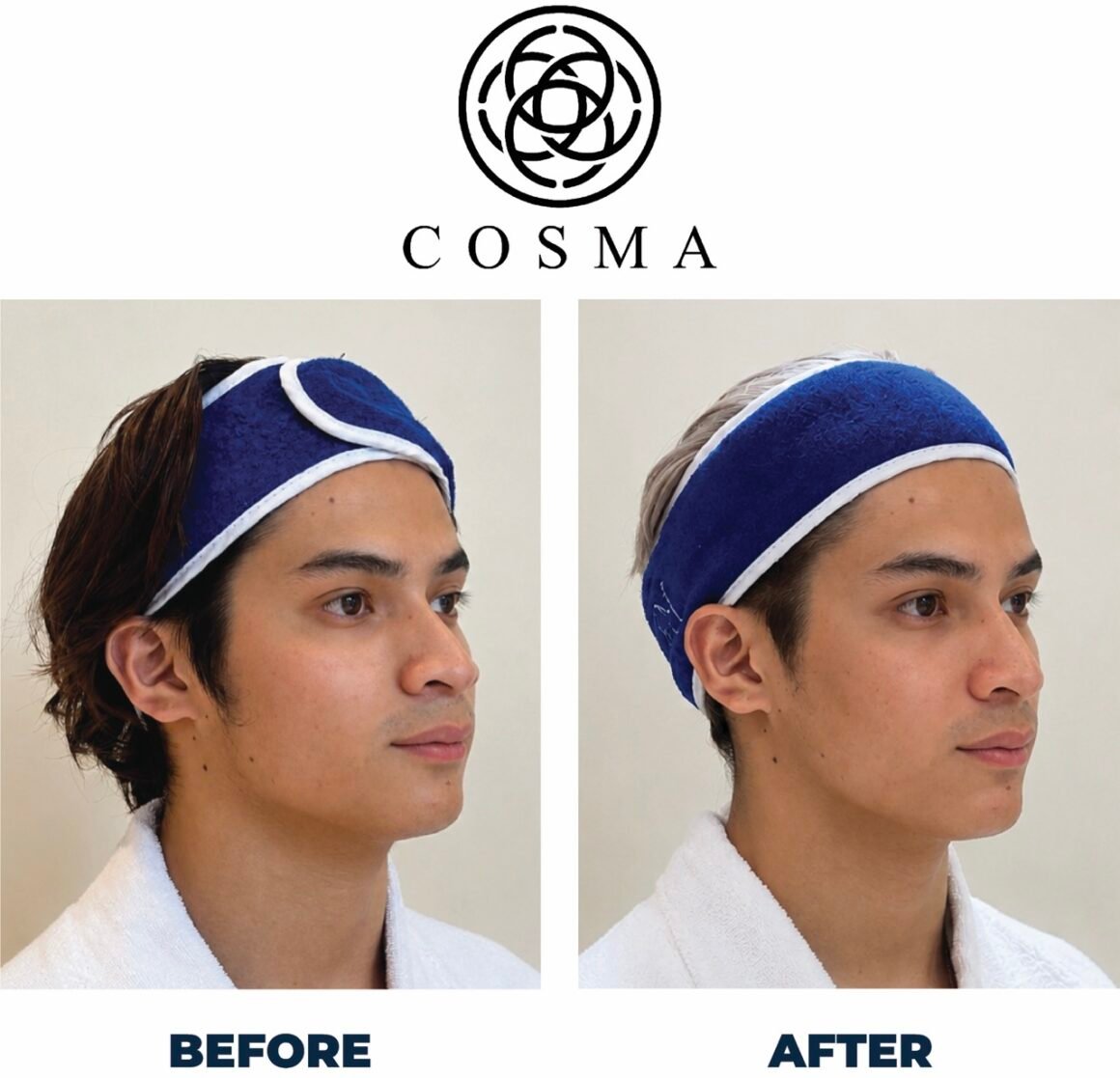
For Co, these findings reinforce what years of listening to patients have already taught him.
“One of the moments that stayed with me involved a patient who returned a few months after her facial harmony treatment,” Co said. “She told me she finally felt confident enough to audition as the lead singer of a band, and she even came back to the clinic and sang for us. That wasn’t about the treatment itself. It was about removing something that had been holding her back.”
Confidence Cannot Be Injected
For Co, an important distinction must be made. Confidence begins long before any aesthetic treatment. It is shaped by a person’s experiences, relationships, achievements, and sense of self. Aesthetic medicine, when practiced responsibly, can address an insecurity that has occupied someone’s thoughts for years. However, it should never be viewed as the source of confidence itself.
“Confidence cannot be injected,” Co said. “No treatment changes who someone is or defines their worth. Our responsibility is to understand why a patient is seeking treatment before recommending anything. Sometimes treatment is appropriate, and sometimes it isn’t. Listening will always come before the procedure.”
That philosophy has defined Co’s approach throughout his career and earned him recognition as the Architect of Aesthetic Confidence. Moreover, his approach recently earned him two awards at the Merz Aesthetics Tala Awards, one of the Philippine medical aesthetics industry’s leading recognition programs.
Confidence as a Life Skill
Modern life has made confidence more visible and more necessary than ever. Professionals lead presentations, entrepreneurs build personal brands, and digital platforms have made people increasingly aware of how they present themselves. As a result, confidence has evolved from a personality trait into a life skill that influences careers, relationships, and everyday interactions.
This changing mindset also challenges one of the biggest misconceptions about aesthetic medicine. Cosmetic treatments are often associated with vanity. However, many of Co’s patients are preparing for something much bigger — returning to work, pursuing a promotion, starting a business, or entering a new chapter of life.
“In many consultations, the treatment itself is rarely the destination,” Co said. “Confidence is. People aren’t asking to become someone else. They’re asking for their appearance to reflect how they already feel inside.”
The Future of the Confidence Economy
Looking ahead, Co believes the future of aesthetic medicine will be defined less by changing beauty ideals and more by understanding the people behind every consultation.
“The future of aesthetic medicine isn’t about changing faces,” Co said. “It’s about understanding people. Every patient has a story, and every consultation begins by listening to that story. Our role isn’t to feed insecurities or convince people they need to change. It’s to help patients develop a healthier perception of themselves and make informed decisions that align with their own goals.”
For Co, the Confidence Economy is ultimately about participation — not appearance. Whether people invest through education, healthcare, therapy, fitness, or aesthetic medicine, the goal is often the same: removing barriers that prevent them from showing up fully in their own lives.
Confidence will never replace talent, experience, or hard work. But it often determines whether people choose to use them. In that sense, confidence is more than an emotion. It is the bridge between potential and action.
To learn more about consultation-led aesthetic medicine, visit cosma.ph.
