


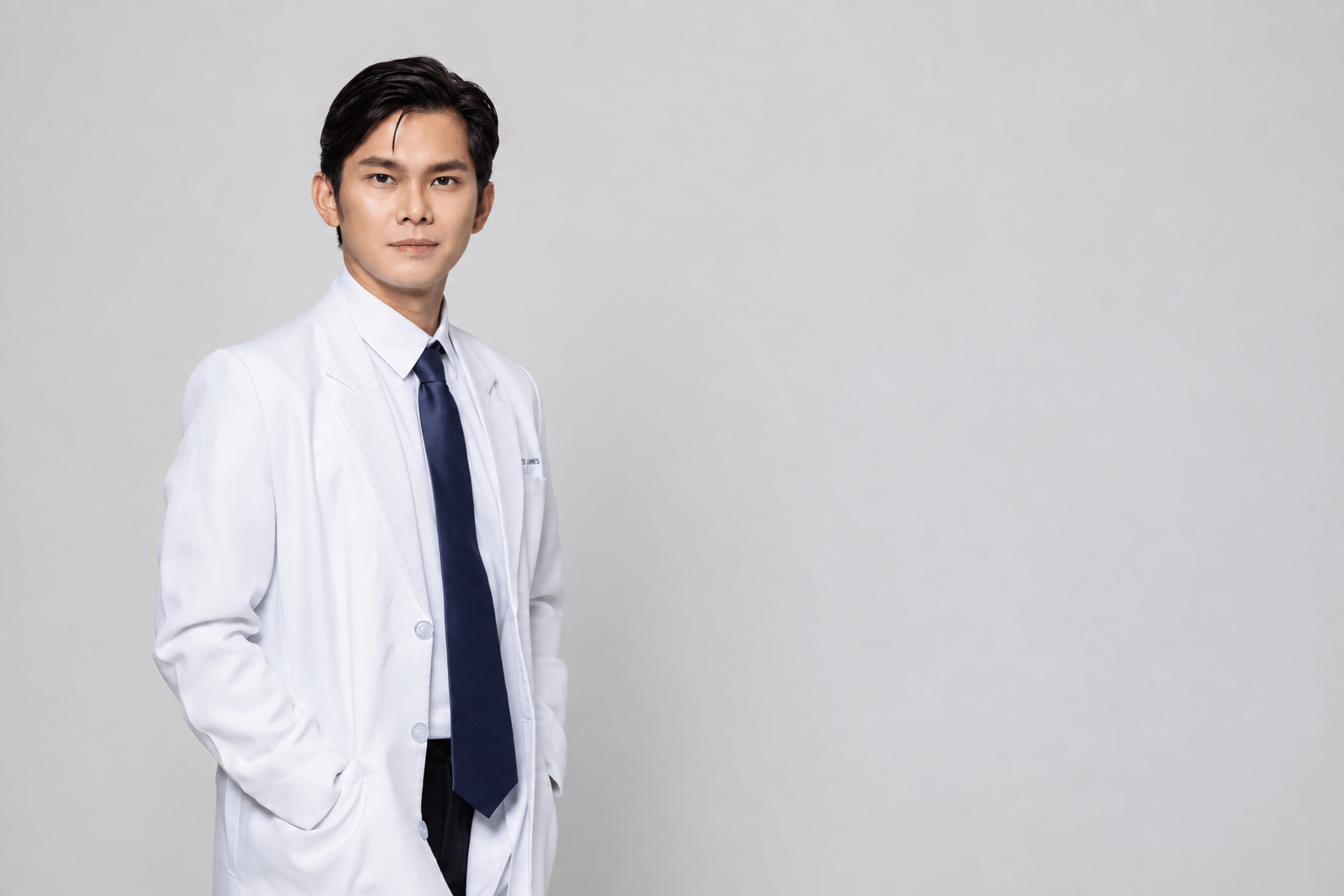
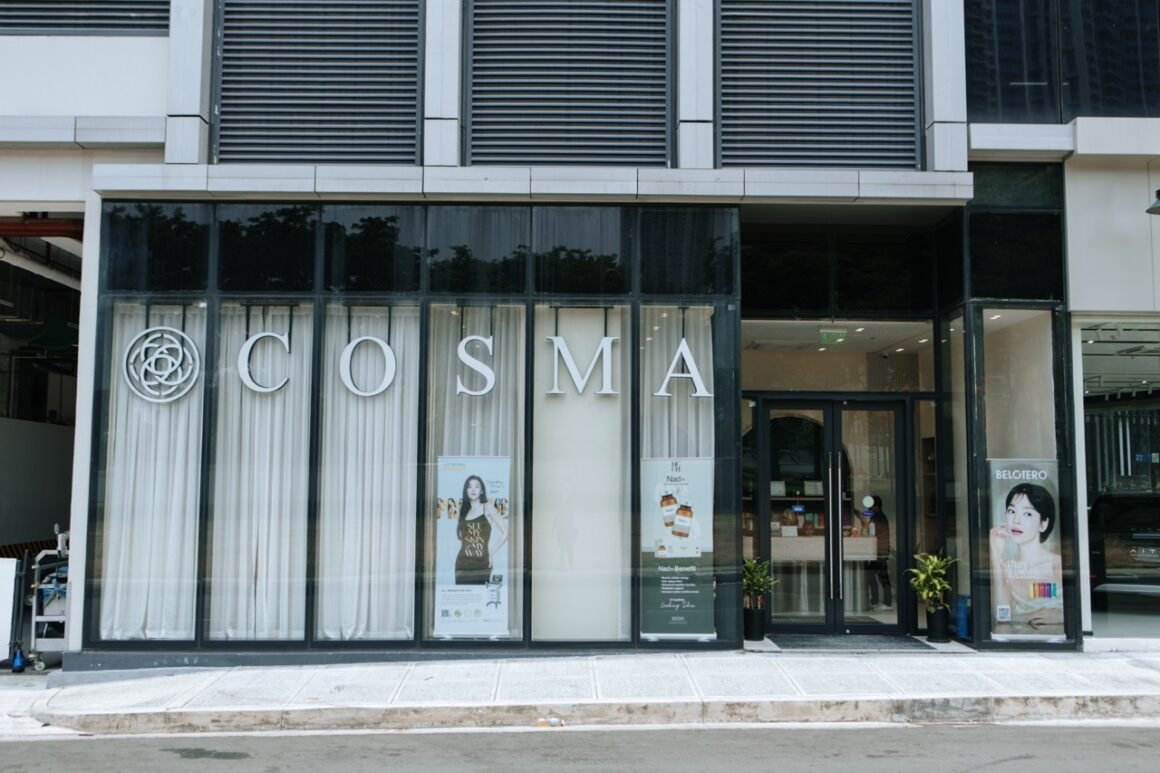
“Anti-aging” has shaped the beauty conversation for decades. Today, though, a broader idea is taking hold: healthy aging. Rather than chasing individual wrinkles, this approach looks at how the whole face changes over time. At Cosma Institute in BGC, Taguig, multi-awarded aesthetic physician Dr. James Co champions exactly this shift.
Dr. Co founded Cosma Institute and is known as the Architect of Aesthetic Confidence. He believes understanding facial change should come before any treatment decision. Consequently, his approach favors individualized care over one-size-fits-all fixes.
Aging is not a disease we need to cure,” Co said. “It is a biological process. As physicians, our role is to understand what is changing beneath the surface, how those changes differ from person to person, and whether intervention is appropriate in the first place.”
Facial Aging Is More Than Wrinkles
A single wrinkle rarely tells the full story. Facial aging actually involves the skin, fat, muscles, supporting structures, and underlying skeleton. Moreover, different parts of the face change at different rates, which makes any one-feature fix incomplete by design.
Research backs this up. A review in Facial Plastic Surgery carries the title The Anatomy of the Aging Face. It describes aging as a process spanning bone, ligaments, muscles, fat, and skin. Similarly, a review in Aesthetic Surgery Journal examines how changes beneath the skin eventually surface visibly. Even facial fat, according to research in Plastic and Reconstructive Surgery, sits in distinct anatomical compartments. These compartments can shift in volume and position over time, altering facial shape and balance along the way.
“When you only look at the wrinkle, you are looking at the surface of a much bigger anatomical process,” Co said. “The face ages as a system. Good assessment means understanding what is happening underneath before deciding what should be done on the surface.”
There Is No Standard Face for Any Age
Two people can share the same birth year yet age in completely different ways. Genetics, facial anatomy, skeletal structure, fat distribution, skin characteristics, sun exposure, and lifestyle all shape how aging presents. As a result, a treatment that suits one person may not suit another with a similar concern.
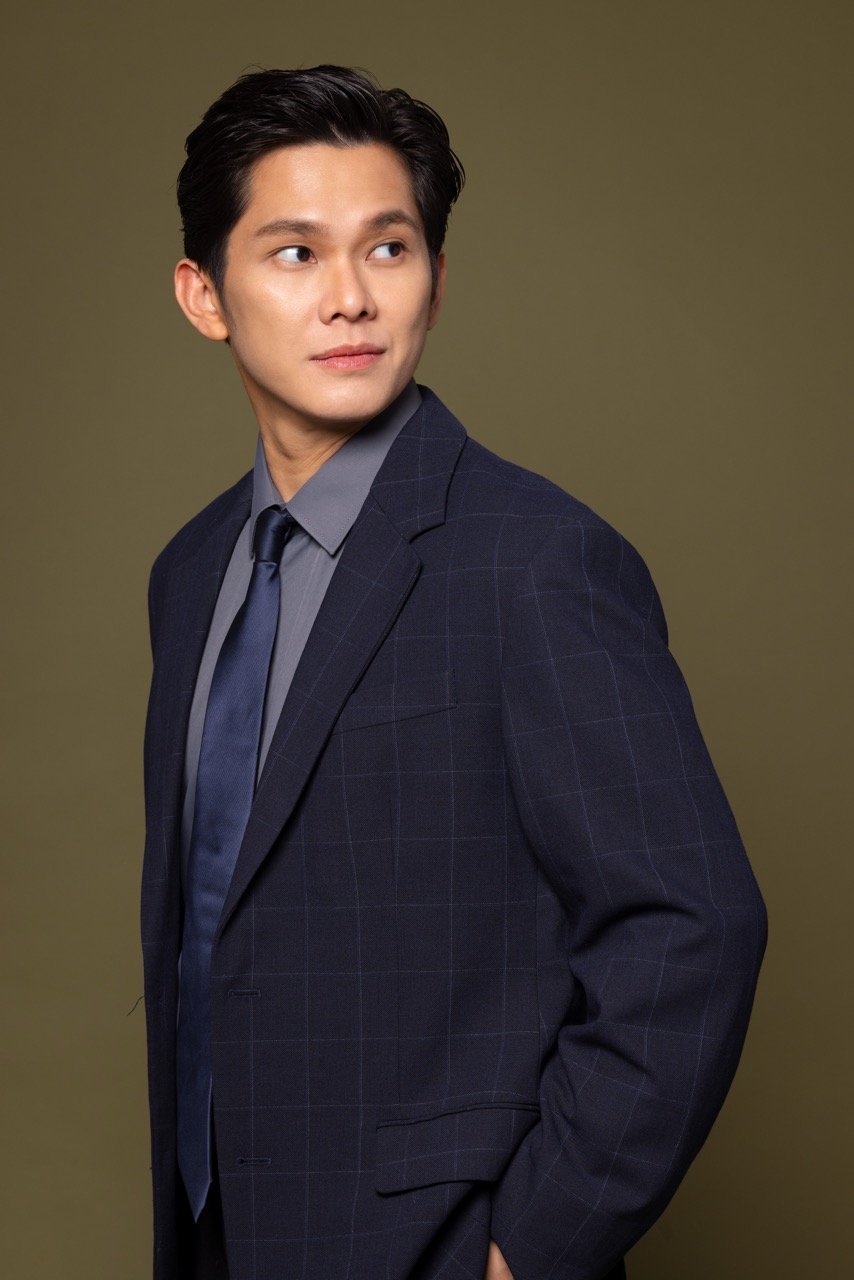
“Two patients can be the same age and come to me with completely different anatomy, lifestyles, concerns, and goals,” Co said. “Why would we expect their treatment plans to look exactly the same?”
This is where healthy aging broadens the conversation. Instead of fixating on individual signs of age, it considers the whole face alongside the person’s actual goals. After all, wanting to look refreshed and wanting to look 20 years younger are not the same ambition.
“Someone can want to look refreshed without wanting to look 20 years younger,” he said. “Those are completely different goals.”
Rather than erasing every line, healthy aging accepts that the face will keep changing. The real goal is understanding those changes. From there, physicians can make informed decisions that respect natural proportions and personal identity.
What Healthy Aging Looks Like in Practice
Because facial structures change at different rates, the relationship between features also shifts over time. Facial harmony, in other words, is not fixed. This is precisely why Dr. Co treats whole-face assessment as essential.
Instead of chasing isolated signs of aging, physicians should weigh how different areas relate to each other. Additionally, they should ask whether any intervention actually supports overall balance, not just one feature in isolation.
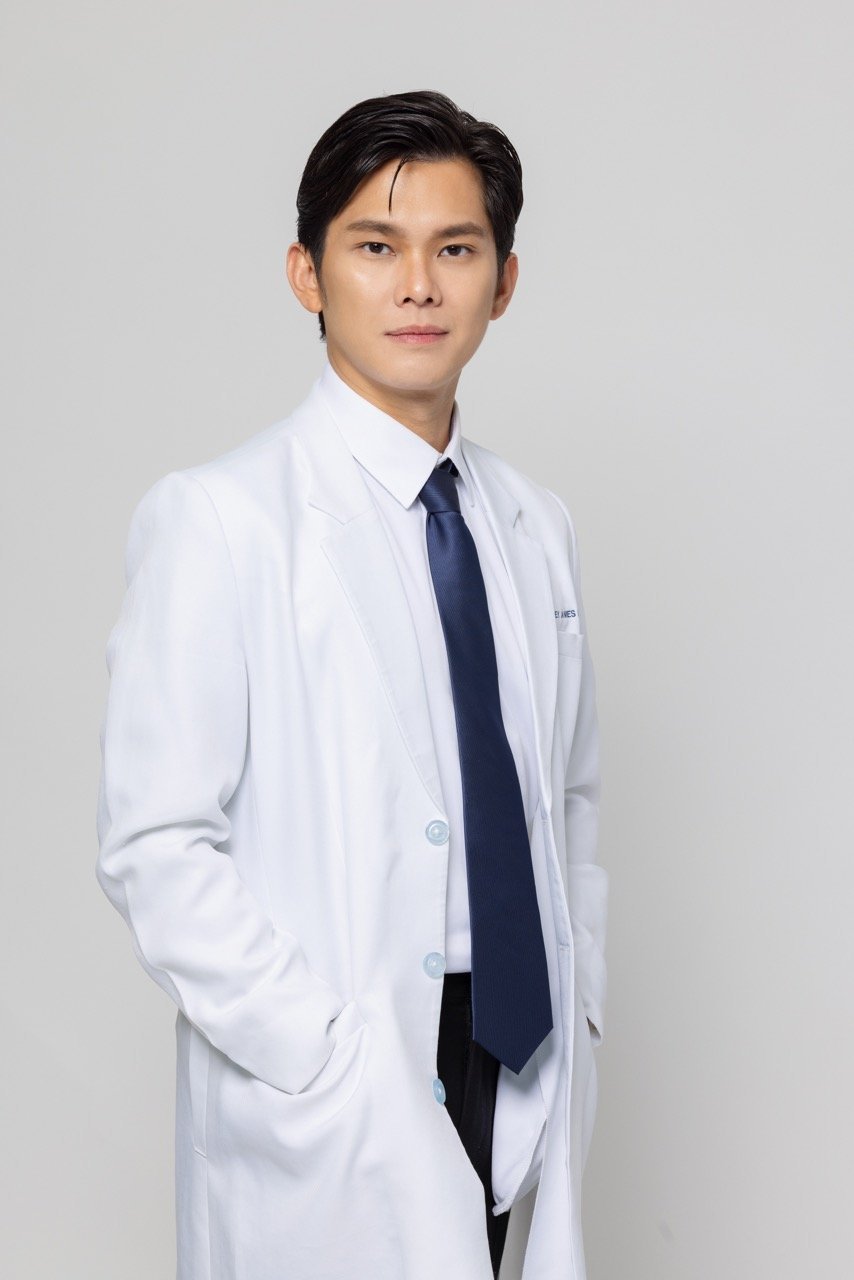
“You cannot freeze one version of your face forever,” Co said. “But you can understand how the face is changing and make decisions that respect its natural proportions and your identity.”
Social media has undoubtedly made aesthetic treatments more visible. However, seeing a treatment online differs sharply from knowing whether it suits your particular face.
“Patients should not have to diagnose themselves from social media,” Co said. “You might recognize a concern, but deciding why it is happening and what should be done about it requires proper assessment.”
Looking Like Yourself, Not Someone Younger
The conversation increasingly extends beyond appearance alone. A 2022 review examined minimally invasive facial procedures. It found that researchers now measure satisfaction with appearance alongside psychological and social well-being. That said, the review also flagged limitations in existing evidence, so those outcomes still deserve careful interpretation.
For Dr. Co, this reinforces one core question: what does the patient actually hope to achieve? “We need to ask whether the result makes sense for the patient, whether expectations were met, and whether we preserved the things that make that person recognizable,” he said.
Ultimately, success rarely means looking dramatically younger. As Co puts it, “I would rather someone tell my patient, ‘You look well,’ than immediately ask, ‘What did you have done?'”
Cosma Institute’s Consultation-Led Philosophy
At Cosma Institute, Dr. Co applies this philosophy through individualized assessment, facial harmony, sound medical judgment, and ongoing patient education. He has also trained aesthetic practitioners across Southeast Asia and Europe, consistently advocating for natural-looking outcomes.
His approach has earned recognition, too. Most recently, Co received two awards at the Merz Aesthetics Tala Awards. Even so, he frames the broader mission around judgment rather than tools. “Aging cannot be stopped, and I don’t think that should be the promise,” Co said. “What we can do is understand it better. We can look at the science, understand the anatomy, listen to the patient, and make decisions that allow them to age while still looking recognizably like themselves.”
For Dr. Co, healthy aging begins not with fighting age, but with understanding it.
Cosma Aesthetics and Lifestyle Institute sits in BGC, Taguig. It operates under the philosophy “Where Beauty is Personal.” Through consultation-led treatment planning, the clinic helps patients achieve refreshed, balanced, and confidence-enhancing results tailored to their individual needs.
